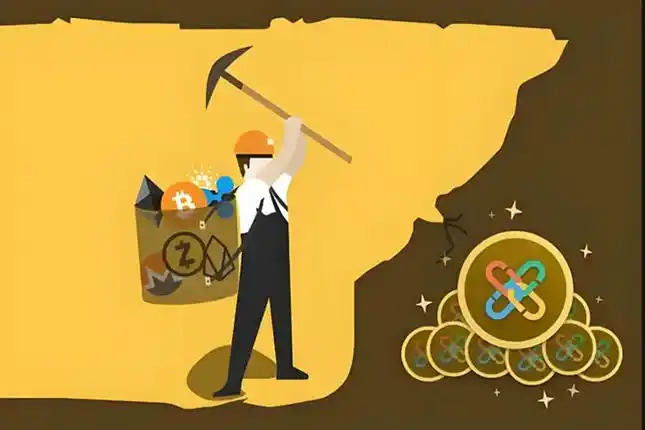
Understanding the Concept: Is Free Mining Software Real?
The question “Is free mining software real” is one of the most common inquiries among newcomers to the cryptocurrency world. At its core, the answer is yes, free mining software does exist. However, the reality is far more complex than a simple yes or no. Legitimate free mining software refers to open-source clients or applications that allow you to connect your hardware (like a GPU or ASIC) to a blockchain network. Examples include software for mining Bitcoin, Ethereum Classic, or Monero. These programs are often free to download and use, but they are not a magic tool for generating wealth. The true cost lies in the electricity, hardware, and maintenance required. When people ask if free mining software is real, they are often looking for a way to earn cryptocurrency without upfront investment. While the software itself may be free, the ecosystem demands significant resources. In the blockchain industry, free software is simply the gateway to a process that requires real-world capital and technical knowledge.
How Legitimate Free Mining Software Works in Blockchain
To fully answer whether “Is free mining software real“, you need to understand the mechanics of blockchain mining. Legitimate free software, such as CGminer, XMRig, or NiceHash, connects your computer to a mining pool or directly to the blockchain. The software solves complex mathematical problems to validate transactions. In return, you receive a portion of the block reward. This is a real, proven system. However, the software is only one piece of the puzzle. The hardware—your CPU, GPU, or ASIC—does the heavy lifting. For Bitcoin, you need specialized ASIC miners costing thousands of dollars. For altcoins like Ravencoin, a powerful GPU setup is required. So, while the software is free, the operation is not. Many users are misled by fake “cloud mining” sites that claim to offer free software but actually steal your computing power. In contrast, real free mining software is transparent, open-source, and allows you to see exactly how your device is being used. The blockchain industry relies on this transparency to maintain trust.
Red Flags: When Free Mining Software is a Scam
Despite the existence of legitimate tools, the phrase “Is free mining software real” often signals a warning about scams. A vast number of fake mining applications exist, particularly on mobile app stores and shady websites. These programs promise free, effortless mining of Bitcoin or Ethereum. In reality, they often install malware, use your device to mine for the scammer’s wallet (a technique called “cryptojacking”), or simply steal your personal data. Another common scam is the “free mining” contract, where you are asked to pay a small fee to unlock higher earnings. Real blockchain mining software never requires an upfront payment to start. Additionally, legitimate software will drain your device’s battery and power, while fake software might show fake balance screens. If a program claims you can mine Bitcoin on a smartphone without any setup or cost, it is almost certainly a lie. The blockchain industry is full of opportunities, but it also attracts bad actors. Always verify the software source, check GitHub repositories, and read community reviews before downloading any mining tool.
Cloud Mining vs. Free Software: Key Differences
Another way to explore “Is free mining software real” is to compare it with cloud mining. Cloud mining companies offer “free” plans or trials, but these are often loss leaders to upsell expensive contracts. In contrast, free software gives you full control over your hardware. With real free software like T-Rex or TeamRedMiner, you own the mining process. You decide which pool to join and which coin to mine. Cloud mining, on the other hand, is a rental service where you pay for hash power. Many cloud mining services are deceptive, promising high returns from “free” hash rates that never materialize. In the blockchain industry, self-hosted free software is generally more transparent. For example, if you have a gaming PC, you can download free software and start mining Ethereum Classic or Monero today. The earnings will be small, but the process is real. Cloud mining “free” tiers often have hidden terms that make them unprofitable. Therefore, when considering if free mining software is real, the distinction between owning your hardware and renting hash power is crucial.
Realistic Earnings: What to Expect from Free Mining Tools
When users search “Is free mining software real“, they often want to know about potential earnings. With genuine free software, your income is entirely dependent on your hardware and electricity costs. For example, using a modern GPU to mine Ethereum Classic might yield $1 to $2 per day before electricity. With a standard CPU, you might earn pennies mining Monero. The software itself does not generate cryptocurrency out of thin air; it simply facilitates the work. Many people expect that free software will somehow bypass the need for powerful hardware. This is not how blockchain technology works. The consensus mechanisms, like Proof of Work, require actual computational effort. Real free mining software will display your hashrate, accepted shares, and daily earnings. If a program shows you earning thousands of dollars overnight without any processing power, it is a fake simulator. The blockchain industry rewards contribution, not luck. So, while the software is free, your earnings are tied to the performance of your equipment. This is the honest reality behind the question.
How to Verify if Free Mining Software is Legit
Finally, to truly answer “Is free mining software real“, you need a verification method. First, check if the software is open-source and available on platforms like GitHub. Legitimate software like XMRig or Bminer has active developer communities and public code. Second, look for reviews on forums like Bitcointalk or Reddit. Real users will discuss performance, payout thresholds, and pool compatibility. Third, avoid software that asks for your private keys or wallet seed phrases. Mining software only needs your public wallet address. Fourth, test the software with a small pool to see if it generates any shares. Finally, monitor your computer’s resource usage. Real free mining software will use 100% of your GPU or CPU, while scam software might hide its activities. In the blockchain industry, due diligence is your best defense. Free mining software is real, but it is not a shortcut to riches. It is a tool that requires knowledge, hardware, and patience. By following these steps, you can distinguish between genuine tools and sophisticated scams.